
WEST PLAINS IPM UPDATE
July 21, 2022
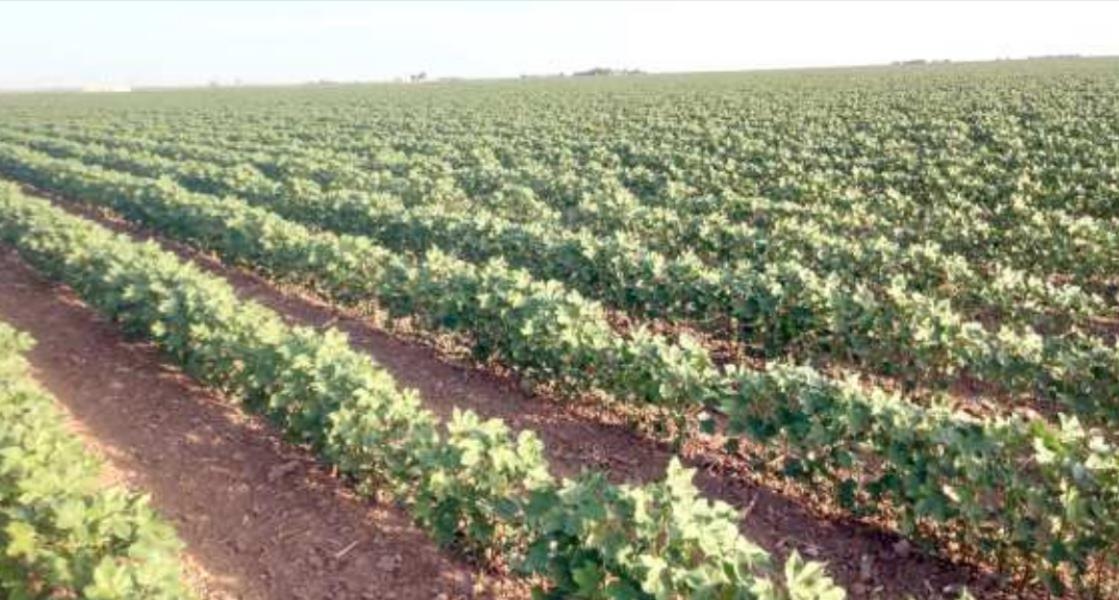
Cotton ranges from 9 true leaves with 2 first position squares to 18.4 total nodes with 2.7 first position bolls and 5.2 nodes above white flower. Square set continues to be in the mid 90% range. Based on IPM Scouting Program fields there are 30% of fields at bloom/boll development stage. We have most acres which will see first bloom this weekend. Cotton is going into bloom with 7.6 nodes above white flower (NAWF). Be reminded that the later a field begins to bloom the narrower the effective bloom period prior to our last effective bloom date (date in which we have high confidence that a bloom will result in a good quality harvestable boll) of August 12 for the Levelland vicinity. A field which reached full bloom (100% of plants blooming) today, July 21, would have 22 days of effective bloom period. In 22 days, a producer could expect at least 7 first position bolls to be formed. Now this is irrigated cotton with available moisture such that no permanent effects of wilt/water stress have occurred. Another point to this is that we normally hit 5 NAWF (physiological cutout) on or about July 31. This give us time to literally be “blooming out the top” (hard cut-out), the cotton plant maximizing time so that bolls are mature, and not formed too late to be immature. Bottom line is that blooming too late really shortens this prime window of opportunity to develop good bolls and relies too much on chance that late developing bolls will be of good quality and quantity.
Insect wise, these small buff white moths have generated a lot of concern. These moths are mostly one of two species. The first is the garden webworm, which is what we are seeing feeding on many pigweed plants. The other is a smartweed borer moth. Most likely these built to high numbers last year on Pennsylvania smartweed in playa lakes and are now spilling over into anything green. Neither are considered pests of cotton, but always keep close watch for any damage to foliage, squares, and particularly bolls. We continue to see the Mozena plant bug (article below) in cotton, as well as a few stink bugs. Reports of bollworms and other larva pests in northern Lamb County warrant a mention. Boot stage grain sorghum in Cochran County has small colonies of Banks grass mites developing. No sorghum aphids (aka sugarcane aphid) have been found in our vicinity yet. Stay tuned and scout, things could get interesting, and Pray for Rain!