
While Texas commercial honey producers report lower than expected yields, some of the state’s smallscale beekeepers enjoyed a sweeter-than-average year, said a Texas A& M AgriLife Extension Service expert.
According to a recently released report from the U.S. Department of Agriculture National Agricultural Statistics Service, commercial beekeepers in Texas produced 2.1 million pounds of honey in 2025, compared to 4 million pounds in 2024.
Garett Slater, Ph. D., AgriLife Extension entomologist at the Texas A&M AgriLife Research and Extension Center at Overton and assistant professor in the Department of Entomology, said the decline is likely the result of several factors.
Varroa mites, a parasite that feeds on honey bees, and the viruses they spread, have remained the biggest threats to colonies across the state in recent years.
“Spring of 2025 was very challenging for beekeepers,” Slater said. “The entire year saw the loss of 62% of colonies nationwide. Viruses and pesticide-resistant varroa mites were especially damaging.”
Small-scale beekeepers report improvements
The decrease in production drops Texas to the 14thlargest honey producing state, after ranking eighth last year.
The USDA reported commercial honey bee colonies in Texas produced an average of 30 pounds of honey, which sold for $3.91 per pound, a $1.50 increase from 2024. That jump wasn’t isolated to Texas, as honey prices nationwide increased 27%. Nationwide, honey production fell to 115.7 million pounds, down from nearly 135 million pounds the previous year.
Despite the decrease in commercial production, Slater said small-scale beekeepers in Texas aren’t feeling the same sting. A new AgriLife Extension survey of almost 650 beekeepers across the state found that small-scale beekeepers reported production levels of 20 to 40 pounds per colony, on par with the commercial average of 30 pounds this year.
“In the conversations I’ve had with beekeepers … in general production was better than it has been in years past,” Slater said.
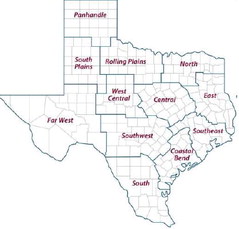
He said small-scale producers in East Texas, North Texas and West Texas saw improvements since last year. Survey results indicated most small-scale beekeepers in those regions reported above- average yields, which were boosted by timely rains that led to strong wildflower blooms.
AgriLife Extension offers support to beekeepers
Slater said ongoing honey bee research and outreach programs are addressing the challenges Texas beekeepers face. Research projects focused on rearing healthier queens and drones as well as boosting colony nutrition to reduce losses.
To better equip beekeepers across the state to increase yields and promote colony health, Slater said AgriLife Extension also offers the Texas Master Beekeeper program for beekeepers of all levels. Four hands-on regional field days are being offered in Overton, Lubbock, Lakehills and Fort Worth in April and early May in support of the beekeeper program.
Also unique to the program are queen- rearing courses, hands-on learning opportunities that share how to raise quality, locally adapted queens.
Slater said AgriLife Extension is supporting honey producers across the state by emphasizing community support.
“We’re working with beekeepers to figure out how to communicate with cities and municipalities to prevent pesticide-related losses.”
AgriLife Extension will also launch a new colony loss survey in early April that will provide researchers data from across the state for analysis.
AgriLife Extension district reporters compiled the following summaries: Panhandle
Extreme conditions persisted across the region, with widespread drought, record heat, high winds and low humidity, which increased wildfire risk. Rain was urgently needed. Soil moisture ranged from very short to short. Dry weather delayed field preparation for cotton and sorghum. Wheat and livestock conditions declined. Winter wheat, pasture and rangeland conditions were very poor to poor.
South Plains
Topsoil and subsoil moisture remained low due to continued dry, windy and hot conditions. No measurable precipitation was reported. Field preparation continued when winds allowed. Corn planting progressed slowly and was limited to fields with pre-irrigation. Tillage and preplant work continued for corn, cotton, sorghum, cucumbers and silage. Livestock conditions remained fair with heavy supplemental feeding. Producers sought guidance on emergency grazing in Conservation Reserve Program pastures. Some grazing in irrigated winter wheat continued.
Rolling Plains
Hot, dry and windy conditions continued, further depleting soil moisture and stock tank levels. Rainfall was urgently needed. Winter wheat and oats remained under stress, with some fields deteriorating or zeroed out. Fire danger increased and grazing conditions declined. Livestock conditions were fair to good with diet supplementation as spring calf work continued. Fieldwork included cotton planting preparation and fertilization of hay fields. Corn acreage may decline, with some fields converted to cotton.