
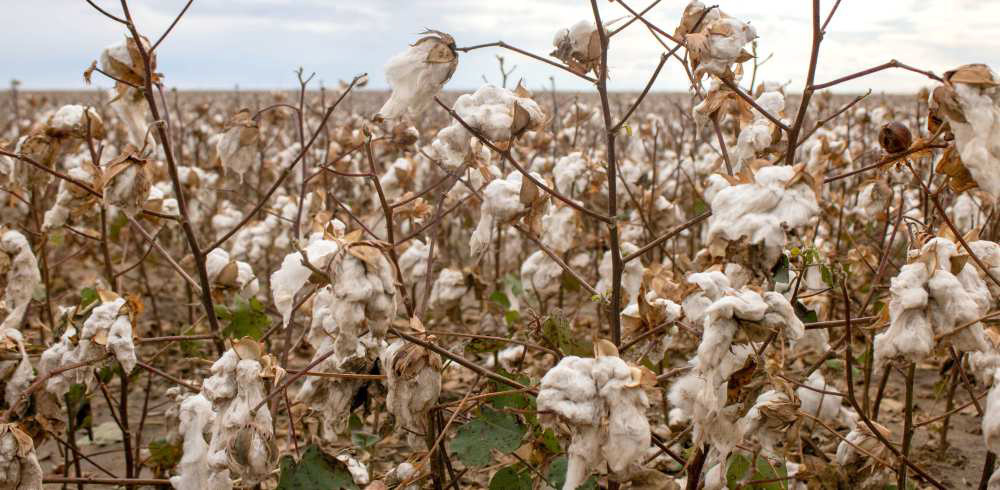
Following a record-warm October and a period of dry, rainless weather, the rain finally appeared as farmers and ginners commenced ginning season for cotton production.
Just a few days into the season, the gins faced production setbacks due to the influx of thunderstorms in the region.
“When it rains, they can’t strip cotton, if they can’t strip cotton, I can’t gin cotton,” Christopher Alderson, The Springlake-Earth’s gin manager, said. “There’s nothing to gin. If there’s no strippers, I can’t gin what’s on the yard, and if the yard is empty, we’ll shut down until there’s more cotton.”
The National Weather Service reported moisture from the Gulf of Mexico heading northwestward between Nov. 1 and 2, prompting torrential storms in New Mexico.
This activity spread toward the east and touched down in West Texas late Friday evening, where the region experienced 3 inches of rain and wind gusts reaching 68 mph.
With the downpour came floods at the cotton fields and surrounding country roads, Alderson said.
Additionally, Texas Producers Co-Op CEO Justin Bellar said his team couldn’t work in the fields during rainy days.
When work can’t be completed in the field, workers are tasked with other responsibilities.
Workers are in their harvest hours now, meaning they work seven days a week from 7 a.m. to 7 p.m. The weather has caused a cut in hours, allowing workers to rest before the Co-Op starts ginning again.
A halt in picking doesn’t stop work from being done; there are always repairs, cleanups, maintenance, and more to be done, Bellar said.
Moreover, the rain not only affects the Co-Op workers but also the crop itself.
“We’re expecting quality to be affected a little bit,” Bellar said.
The quality of the crop faces the possibility of getting docked for its color grade. However, while the wet cotton takes a long time to dry and thin, it’s still salvageable, Bellar said.
The real loss of cotton happens when it droops and falls to the ground.
“That’s where the loss is, just in the field,” Bellar said.
However, not all is lost. Gins in the area still possess a few bales under its belt.
The Texas Producers Co-Op’s first bale of the season was on Oct. 9. Now, as of Nov. 15, it possesses 20,092 bales.
Brent Wells produced Olton Skyland’s first bale on Oct. 8, now placing total bale production at 21,535 bales as of Nov. 15.
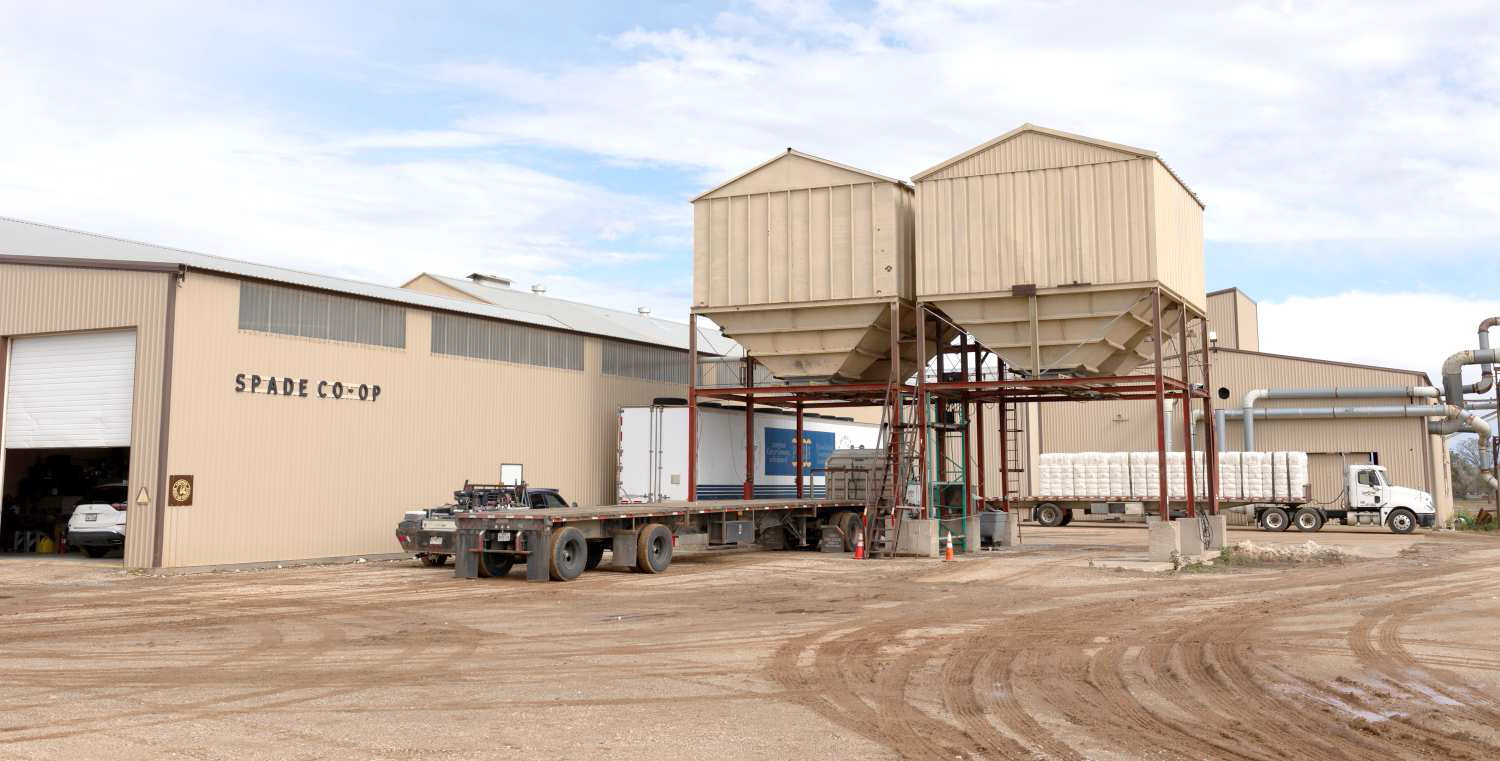
The Spade Co-Op possesses 8,300 bales as of Nov. 15. The first bale was on Oct. 15.
Dustin Synatschk produced Springlake-Earth’s first bale Nov. 1. Springlake-Earth Cotton Grower possesses 2,209 bales as of Nov. 15. Alderson said the gin expects 11,000 bales by the end of the season, a 35% increase from last year’s production.
Despite the projected increase, this crop season faltered with the lack of rain.
“The (lack of) rain has dropped production down in our area for the last four years,” Alderson said. “There’s not enough water in the aquifer to pump on this cotton; you can’t pump out what’s not there.”
Bellar echoed this sentiment. “We were dry up until planting time,” Bellar said.
A two-week stretch of intense heat with no rainfall for several weeks in August caused the crop to burn. Texas Producers Co-Op lost about 50% to 60% of their dry land crop, Bellar said.
“I’ve had several people ask me if that was frustrating and I just say ‘any rain we get, no matter the time, to me is a blessing,’” Bellar said.
Bellar predicts the harvest will be done in the middle of January. The Texas Producers Co- Op hopes to reach 60,000 bales for the season.
With only a few days into the expected 40-day ginning season, Alderson said the Co-Op won’t know what else to anticipate until further in the month.
For now, the ginning season continues until the last patch of quality cotton is wrapped up in a bale.
“Farmers are very important to feeding and clothing us, and we appreciate people wanting to know what they’re going through,” Bellar said.