
Grain sorghum ranges from nearing harvest on early planted to just near boot. Those acres which have not headed yet I would be extremely conservative on what I spend on those acres. It will be cutting it close to have time to mature out.
I feel confident in those acres which are at or very near flowering that they have time and worth protecting from sugarcane aphids and the headworm complex. I think most of us really could use that next rain this weekend, and hope you get yours. For many that last rain event seems long ago now.
So, sugarcane aphids (SCA) have become the dominate pest of concern this last couple of weeks. I have not seen a field without SCA, many have already been treated and cleaned up, while others have not yet reached threshold. Here in lies the reason why YOU MUST SCOUT!
Sorghum midge have not been that common on flowering milo. This late milo is prime candidate though for midge. Those fields which are post-flowering need to also be scouted for headworms. I am also finding a Lygus and green stink bugs in many sorghum heads as well. Consider them when and if you check heads.
Call if questions on scouting, threshold, and treatment options. The portion of the cotton crop which reached physiological cutout (5 nodes above white flower) before August 10 should have accumulated 400 heat units and is safe from most all insect pests at this time, other than cotton aphids.
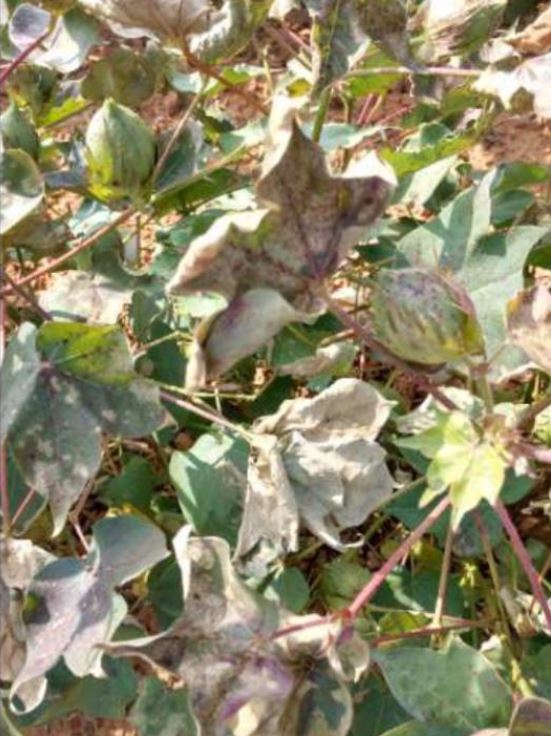
We do still have cotton aphids parked out in many, if not all cotton fields. Aphid numbers have not warranted treatment here of late. Keep close watch though as we begin to have open bolls. The threshold goes down to only 10 per leaf then. Verticillium wilt has not been as pronounced the past couple of weeks as I thought it might be. Make note of those fields which have vert wilt and choose a variety which will be more tolerant next year.
Now is still an excellent time to sample the soil for cotton rootknot nematode infestation. This will help determine level of man agement you will need to use next year.
The question about irrigation has been asked quite often the last few days. Who would have thought with those 2-5” rains we received that we would have had to crank the wells back on this last week or so.
So, the rule of thumb I go by is that a boll should remain fairly stress free the first 20 days of development. The last bolls were formed on approximately August 20th. Therefore, it needs to stay stress free up till September 9th. After this point it can wilt, as long as the plant recovers before the next morning for next 20 days (September 29th).
In peanuts I am not concerned now with foliage feeders or other insect pests. The incidence of foliar disease has been very low the past two weeks. With the forecast be careful about the development of leaf spot and other above and below ground disease.
I have seen some onset of black hull here this week. Understand, there is not much one can do about this.
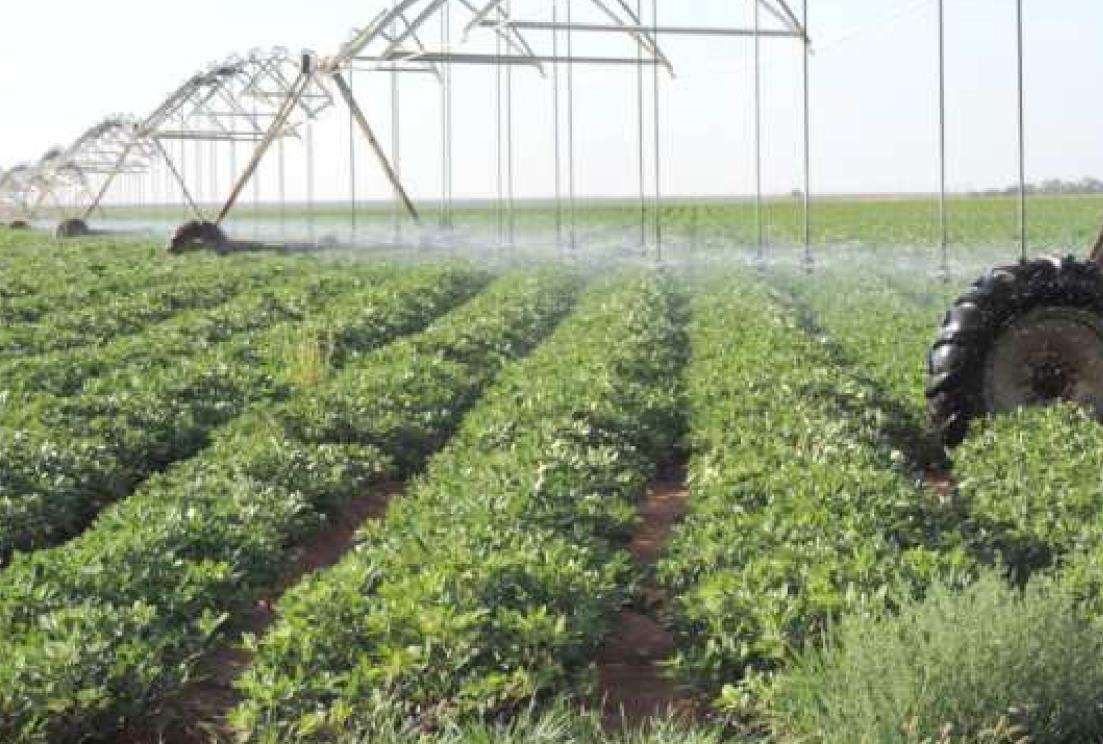
The goal now is to maintain vine health and keep pods maturing out. I don’t think we are too terrible far out from starting to dig. Time to start scrapping hulls here next week. Irrigate only as needed to keep peanuts fresh until dug with little stress.