
As large-scale data centers continue to expand into West Texas, communities across the South Plains are beginning to ask what that growth could mean for them.
Large-scale projects tied to data centers are already being developed across the region, especially in the Permian Basin. One project in particular is the proposed GW Ranch by Pacifico Energy, which will span more than 8,000 acres and produce up to 7.65 gigawatts of power using a mix of small and large-scale gas turbines. The center is planned for construction in Pecos County near Fort Stockton and received approval from the Texas Commission on Environmental Quality earlier this year.
The demand for these centers is being driven largely by artificial intelligence and cloud computing, which require constant, high levels of energy to operate. As these facilities continue to grow, energy demand is increasing, and more energy companies, such as Pacifico Energy, are building power plants specifically designed to supply electricity to these facilities.
Because of this rapid increase in demand, it is no surprise that companies would want to come to West Texas for its wide-open land and its minimal zoning restrictions. But as these projects grow, so do concerns, especially around water use, electricity demand, and the long-term impact they could have on local communities.
John Osborne, president and CEO of the Lubbock Economic Development Alliance, said while the city has not taken an official stance yet, they are taking a cautious approach as they evaluate both the potential benefits and drawbacks.
“We look at it very carefully because they can be a huge benefit to the community in multiple ways, but they also can be a huge resource user, and so we want the right kind of data center to come in, because of the benefits that they bring, but we want to make sure that they are using a closed-loop system,” said Osborne.
One of the biggest concerns tied to these facilities is water use, especially in a region already facing limited resources. Osborne said older data centers relied heavily on water for cooling without recycling it, but newer systems have started to shift toward more efficient closed-loop system designs.
“It is significantly less water use than the data centers of the past - in many of those circumstances, you’re talking maybe 50 to 100 to 150 thousand gallons of water a day, which is kind of like 4 fast food restaurants, and we’ve got a new lake coming online in 2032 that will produce 12 and a half million gallons of water a day, and also because of how it’s designed, we’ll actually grow as the city grows, and so we can take more water out of it, as we put more water into it,” said Osborne, adding that from a water perspective, he feels Lubbock is in great shape.
With that being said, one of the biggest selling points of data centers for cities is the amount of tax revenue they can generate. Even though they don’t employ large numbers of people after construction ends, their overall value can be significant to help increase tax revenue.
“A billion dollar investment on a manufacturer versus a billion dollar investment on a hyperscale data center means the same exact thing to the taxing entity its still a billion dollars, but to one that might employ 300 people verses one that might employ 50 or a 100, when you provide that tax revenue of a billion dollars to the hospital district that’s so that they can provide the level of service necessary to support the 300 to 400 jobs,” said Osborne.
This can allow local governments to quickly increase tax revenue without placing the same level of strain on services tied to population growth.
But that benefit isn’t guaranteed, especially for smaller cities like Littlefield or the surrounding areas.
Osborne pointed out that many developers choose to build outside city limits, leaving nearby towns to bear the impact without realizing the full financial return.
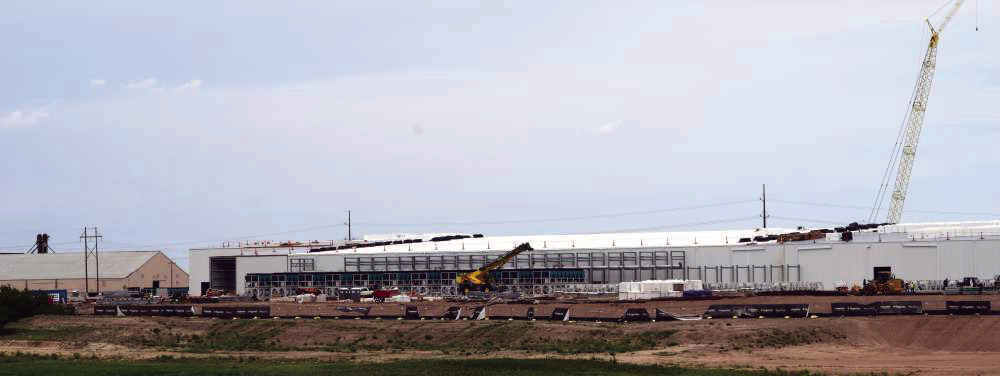
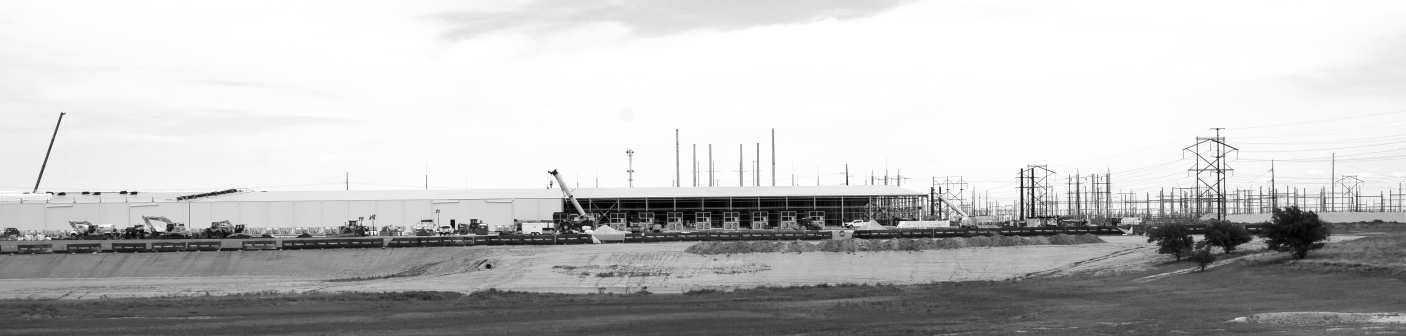
“If it’s a small community that the data center locates near or next to, but doesn’t go within it, you’re not getting all that tax revenue benefit; the county would get some, but the city itself would not. And yet, you have a significant level of needs from a servicing standpoint, because you’ve got everything from transportation or from just general issues that might be called in for, you know, various city needs that might take place,” said Osborne Communities surrounding Lubbock, including places like Abernathy and Dickens County, are already seeing projects move forward. Project Caprock, a major data center that recently broke ground just north of Abernathy in Hale County, will cost over $400 million to build and cover 313 acres upon completion. In Dickens County, the Galaxy Digital “Helios” campus will be one of the largest existing data center developments in the region, with multiple buildings ranging from about 126,000 to nearly 350,000 square feet.
Even if a facility isn’t built in or next to a specific town, nearby rural counties like Lamb County could still feel impacts from new facilities that strain shared water and power systems. While data centers in places like Dickens County may not draw water from the same municipal systems as Lamb County, many rely on groundwater sources within the broader Ogallala Aquifer region. That means increased industrial demand in one part of the region could still contribute to pressure on the same shared groundwater system used by nearby agricultural and rural communities.
That’s where concerns in places like Lamb County can come into play.
Lamb County Judge Mark Deloach said the county has already had initial contact from developers, but stressed that discussions are still in the very early stages and do not guarantee any project will move forward. He said counties often see exploratory meetings like this long before any formal development begins, and in many cases, projects never materialize.
Still, Deloach said one of his biggest concerns is the strain large-scale construction projects could place on smaller cities like Littlefield.
“You bring that kind of construction force in here, we don’t have enough hotel rooms for that, we don’t have enough restaurants for that. You know, I’ve heard stories of bringing anywhere from four to 6,000 construction workers in here, that’s doubling the population of the city of Littlefield, and I’ve got 5 other communities in the county, but we still can’t handle that,” said Deloach.
Despite his concerns, Deloach said the county does not take a stance for or against data centers at this stage. Instead, he said his goal is to stay engaged in conversations so they can better understand potential impacts if a project were to move forward.
“And you know, it’s one of those things too, that I’m all in favor of economic development, but you know, with us having the limited Code authority that we do, the best thing I can do is try to be at the table with these people and tell them that you’re going to get a lot of community pushback here, or in my opinion I think that benefits the community adequately,” said Deloach, adding that early discussions are the best way to help ensure communities are not left out of the decision- making process.